This post contains affiliate links. If you make a purchase from one of the links, I may earn a commission at no extra cost to you.
Benefits of In Home Daycare: Why Personalized Care and Flexible Scheduling Make the Difference
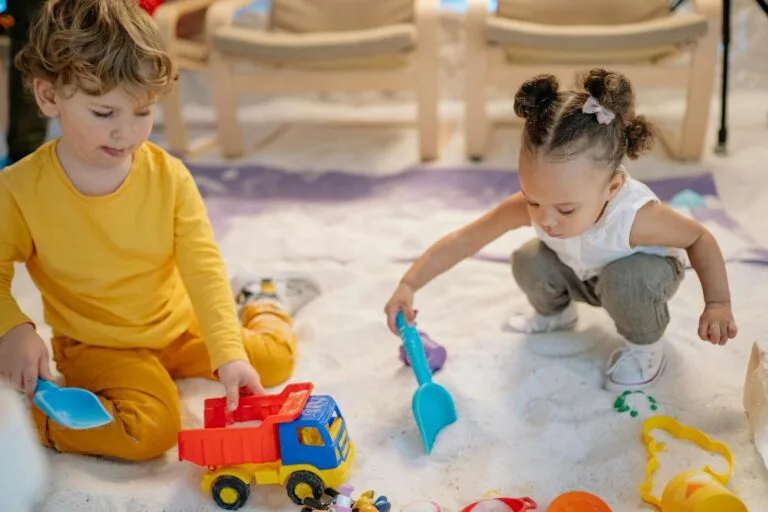
Choosing childcare these days can feel like quite a puzzle. In home daycare sits somewhere in the middle between hiring a nanny and sending your little one to a big daycare center. It’s care provided in someone’s home, usually with just a small group of kids.
What I’ve found is that in-home daycare comes with some nice perks: smaller groups mean your child gets more personal attention, the environment feels warm and familiar, and there’s often more flexibility when it comes to scheduling and costs. Your kiddo gets care that can feel more tailored, and they get to play and learn alongside other children in a cozy, home-like setting.
If you’re trying to figure out what’s best, it helps to understand what in-home daycare can really offer. The way I see it, it’s about appreciating what makes a home environment special, how flexible it can be for your family, and how it compares to the traditional daycare options.
Key Benefits Of In-Home Daycare
In-home daycare stands out with its small group sizes, personalized care, and steady relationships between kids and caregivers. These things help create a nurturing space where your child’s needs don’t get lost in the shuffle.
Smaller Child-to-Caregiver Ratios
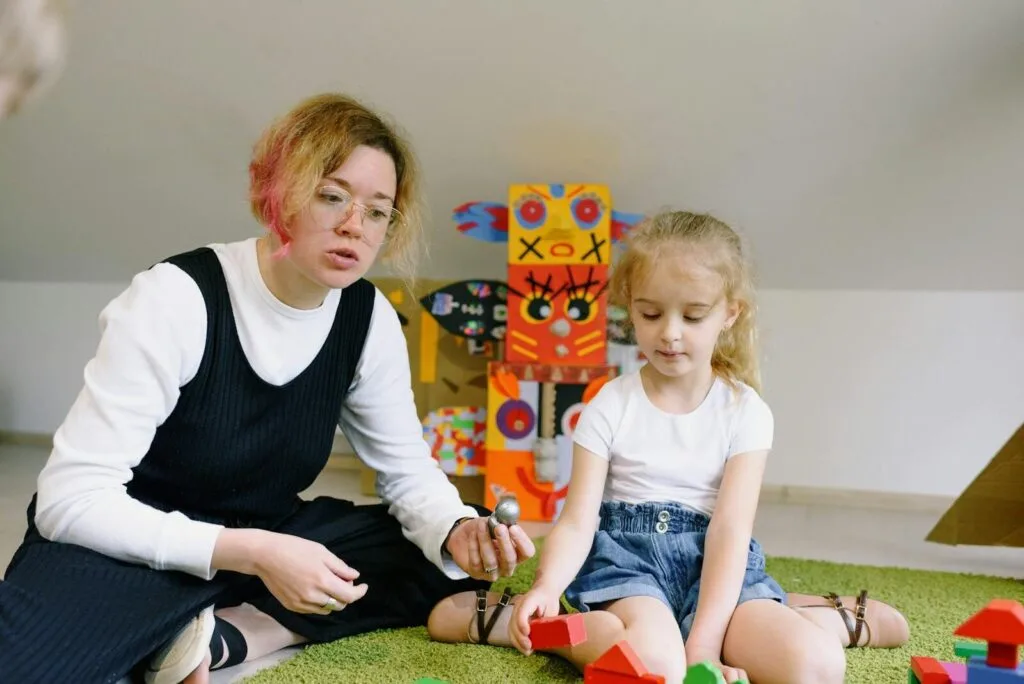
In most home daycares, you’ll typically see fewer kids per caregiver compared to larger centers.
With fewer children around, your little one tends to get more direct attention. The caregiver can observe and respond quickly to each child’s needs.
That’s why smaller groups can really make a difference:
- More one-on-one time
- Better safety and supervision
- Less competition for attention
- Kids don’t have to wait long when they need help or comfort
Plus, it’s often a lot less noisy and overwhelming. Some children really thrive in quieter, calmer spaces.
And because there are fewer kids, the caregiver can be more flexible. Meal times, naps, and activities can be adapted more easily to suit the kids’ rhythms.
Individualized Attention For Each Child
Home daycare providers get to know your child’s personality and learning style pretty well. They’ll notice what your child enjoys, where they’re thriving, and where they might need a little extra support.
What your child gets:
- Learning activities that fit their interests
- Schedules that match their natural rhythms
- Personal attention at meals and rest time
- Communication that fits their age and stage
Over time, the provider learns what works best for your child. They’ll know which activities spark curiosity or what helps when your child is upset.
All this individual attention really helps with confidence. Kids feel seen and understood—something that’s tough to guarantee in bigger groups.
No products found.
Consistent Caregiver Relationships
Kids in home daycare often stay with the same provider for years. That stability is a big deal, especially for little ones.
Consistency means:
- Emotional security from familiar routines
- Trust with an adult they see every day
- Better communication about what’s going on day-to-day
- Easier drop-off and pick-up for parents and kids
The caregiver gets to witness your child’s milestones and can tell you about their progress.
As a parent, you’ll probably feel more comfortable too. Trust builds up over time, and you know who’s caring for your child.
Kids don’t have to keep adjusting to new faces or rules. They can focus on learning and having fun.
The Home-Like Environment Advantage
Home daycare feels, well, like home. That comfort helps kids settle in and feel safe. It’s a familiar environment, and that really counts for kids who are new to being away from their parents.
Comfort And Familiarity For Children
A home daycare often just feels like any other house. There’s usually a living room, maybe a kitchen where kids can watch as their meals are prepared, bedrooms set up for naps, and comfy play zones.
Some comfort features commonly include familiar furniture and decor, a kitchen for meal prep, soft areas where children can play or unwind, and quiet spots for resting.
This kind of environment is especially helpful for kids who are visiting daycare for the first time. As they explore different rooms, it tends to feel natural rather than overwhelming.
No products found.
Many providers like to add their own warm touches, like hanging up kids’ artwork or displaying family photos—kind of how you might personalize your space at home.
Lower Stress Levels
Kids usually feel less anxious in home daycare than in bigger centers. It’s quieter, calmer, and there aren’t as many distractions.
How stress stays low:
- Fewer loud noises
- Smaller groups
- Predictable routines
- More personal attention
There’s no rush to move big groups from place to place, and meal times can feel like a family dinner instead of a cafeteria.
Kids get to move at their own pace, without having to stick to a strict schedule or shuffle between rooms with dozens of other children.
Mixed Age Group Socialization
Home daycare often means kids of different ages are together. This setup gives children a chance to learn from each other in ways they wouldn’t in a same-age classroom.
Perks of mixed ages:
- Older kids help teach younger ones
- Younger kids look up to the older group
- Natural mentoring happens
- Real-life social skills develop
Younger children pick up new skills by watching their older friends. Older kids learn patience and responsibility by helping out.
It’s kind of like having siblings. Kids get social practice that feels like real life, not just school.
Flexibility And Affordability Of In-Home Daycare
For working parents, in-home daycare often means more flexible hours and a lower price tag.
Flexible Scheduling Options
Home daycare providers usually offer hours that work better for parents with tricky schedules. Early mornings, late evenings, weekends—sometimes even holidays.
Flexible options might include:
- Extended hours (sometimes 6 AM to 7 PM)
- Weekend care
- Holiday care
- Part-time slots
Providers understand that not everyone works 9 to 5. Some even offer overnight care or can handle last-minute changes.
This flexibility takes the stress out of late pickups or unpredictable work shifts.
Lower Cost Compared To Daycare Centers
Home daycare often costs 20-40% less than center-based care. Providers don’t have to pay for a separate building or a big staff.
Why it’s more affordable:
- No rent or big maintenance bills
- Fewer staff to pay
- Lower insurance and licensing costs
- Less admin overhead
Many home providers offer sibling discounts or flexible payment plans. Sometimes you can even work out a rate that fits your needs.
On average, you might pay $150-300 a week for home daycare, while centers can run $200-500. That difference adds up fast.
Some home daycares also accept state subsidies or vouchers, which can help even more if you qualify.
Comparison: In-Home Daycare Versus Daycare Centers
Home daycares usually mean more personal attention and smaller groups. Daycare centers, on the other hand, tend to have more structured programs and larger staff teams. Safety rules and health standards can look a bit different between the two.
Personalized Care Differences
Most in-home daycares have 6-12 kids at most, so there’s more time for one-on-one moments.
Daycare centers might have 15-25 kids in a room, with several staff members rotating in and out.
Staff-to-child ratios:
- In-home: 1 adult for every 6-8 kids
- Center: 1 adult for every 8-12 kids (depending on age)
Home providers can flex their schedules to fit your child’s needs. Maybe your toddler naps longer, or eats lunch a bit later.
Centers stick to a set routine for meals, naps, and activities. That structure can be good for some kids, but it’s not as flexible.
Kids in home daycare often get to build a strong bond with their caregiver. In centers, staff changes are more common, which can make it harder for kids to connect.
Health And Safety Considerations
Licensed daycare centers have to stick to pretty strict state health rules. They get regular inspections and have to follow some pretty detailed safety steps.
In-home daycares? The rules aren’t always as tough. A lot of states don’t check in on them as often as they do with bigger facilities.
Key safety differences include:
- Emergency procedures: Centers usually have clear evacuation plans and train their staff for emergencies.
- Background checks: Every employee at a center needs to pass a background check.
- Facility safety: Centers often use professional security systems and take childproofing seriously.
In-home daycares usually have fewer kids around, so there’s a good chance your child won’t get sick as often.
Childcare centers see a lot more children every day, so germs can spread faster. Still, they tend to have firm sick policies and regular professional cleaning.
Centers hire trained early childhood educators. In-home providers might not have as much formal education, but a lot of them have years of hands-on experience.